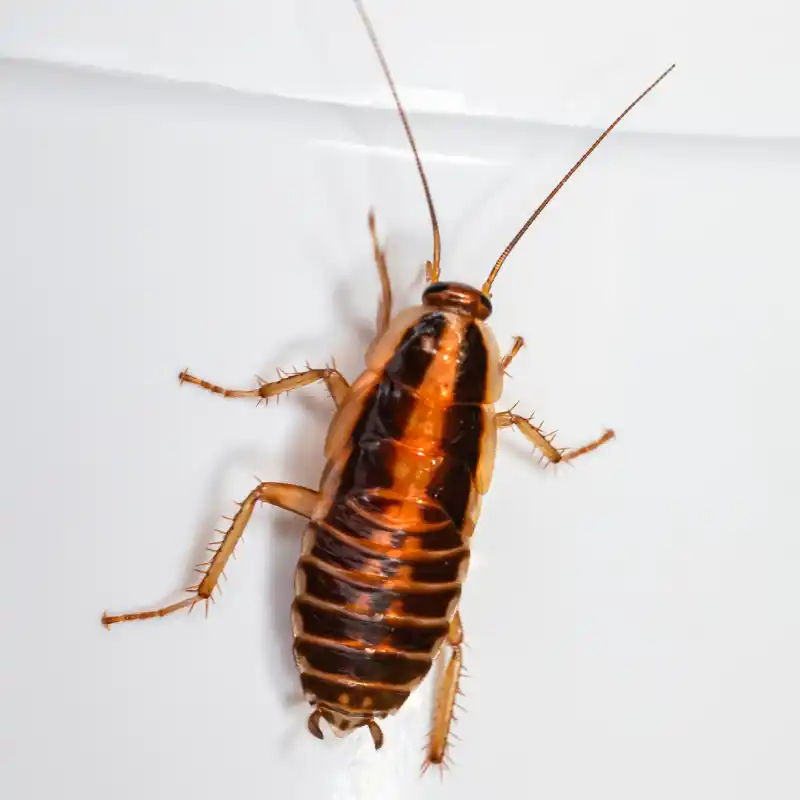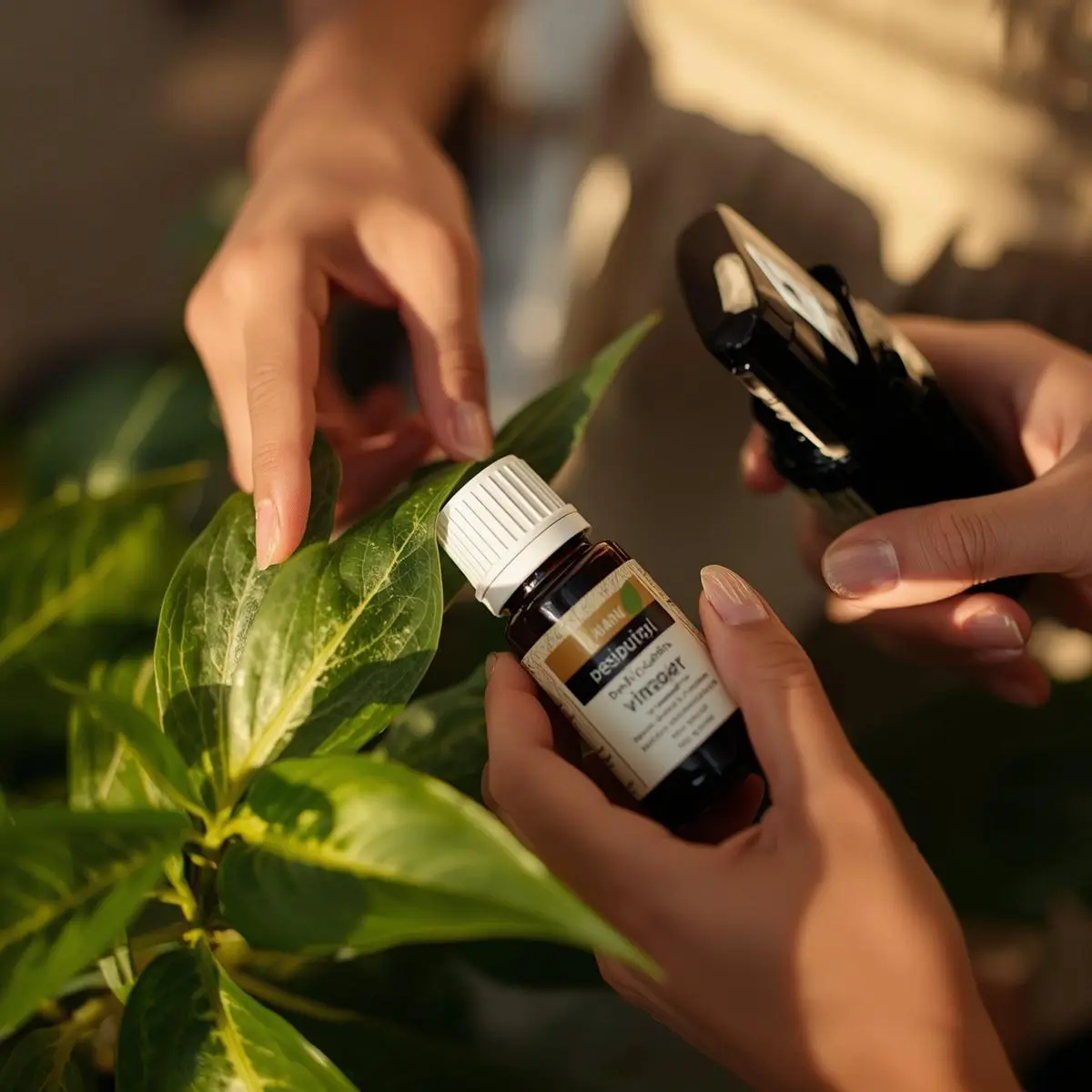
Washington homeowners face unique pest challenges thanks to the state’s diverse climate. From the damp, rainy western regions to the drier eastern areas, pests like ants, carpenter ants, rodents, spiders, and wasps can quickly become a problem. Seasonal changes only make matters worse, with spring and summer bringing increased activity.
DIY pest control is a popular first step for many homeowners. It can be cost-effective and satisfying when done correctly. However, not all DIY methods work, and some can even make infestations worse if applied improperly. Knowing what works, what doesn’t, and when to call a professional is essential for keeping your home safe and pest-free.
For those who want peace of mind and long-term results, Washington Pest Pros offers professional pest control services across the state, combining safe, eco-friendly treatments with expert knowledge of local pests.
Why Washington Homes Face Unique Pest Problems
Washington’s diverse climate makes homes particularly vulnerable to pests. The western part of the state experiences high rainfall and humidity, creating ideal conditions for moisture-loving pests like ants, spiders, and carpenter ants. Meanwhile, the drier eastern regions face different challenges, including rodents and seasonal insect activity.
Pest pressure also varies depending on your location. Urban homes are more prone to rodents, cockroaches, and pantry pests due to dense neighborhoods and food sources. Rural or suburban homes near wooded areas may encounter larger carpenter ant colonies, wasps, and other wildlife-related pests.
Seasonal changes further affect pest activity. Spring and summer typically bring increased insect activity, while fall and winter can push rodents and spiders indoors seeking warmth. Understanding these patterns is essential for effective DIY pest control or knowing when to call a professional.
For expert guidance tailored to Washington homes, the team at Washington Pest Pros – Local Experts can provide professional inspections and treatments.
Understanding Pest Control & IPM for Homeowners
Integrated Pest Management (IPM) is a smart, step-by-step approach to controlling pests that focuses on long-term prevention rather than just spraying chemicals. It combines multiple strategies to keep pests under control while minimizing risks to your family, pets, and the environment.
The IPM process for homeowners can be broken down into four key steps:
- Prevent – Seal cracks, remove food and water sources, and maintain your yard to make your home less inviting to pests.
- Monitor – Regularly check for signs of pests, such as droppings, damaged wood, or insect trails, to catch infestations early.
- Target – Use low-risk methods like baits, natural deterrents, or traps to address the specific pests identified.
- Evaluate – Reassess the effectiveness of your measures and adjust as needed to ensure pests don’t return.
IPM is far more effective than random spraying because it addresses the root causes of infestations, rather than temporarily eliminating visible pests. By focusing on prevention and monitoring, you reduce the chances of recurring problems and minimize exposure to harmful chemicals.
For homeowners who want professional support using proven IPM methods, check out our Our Services – Full Pest Solutions for expert inspections, treatments, and ongoing prevention plans tailored to Washington homes.
DIY Pest Control That Actually Works
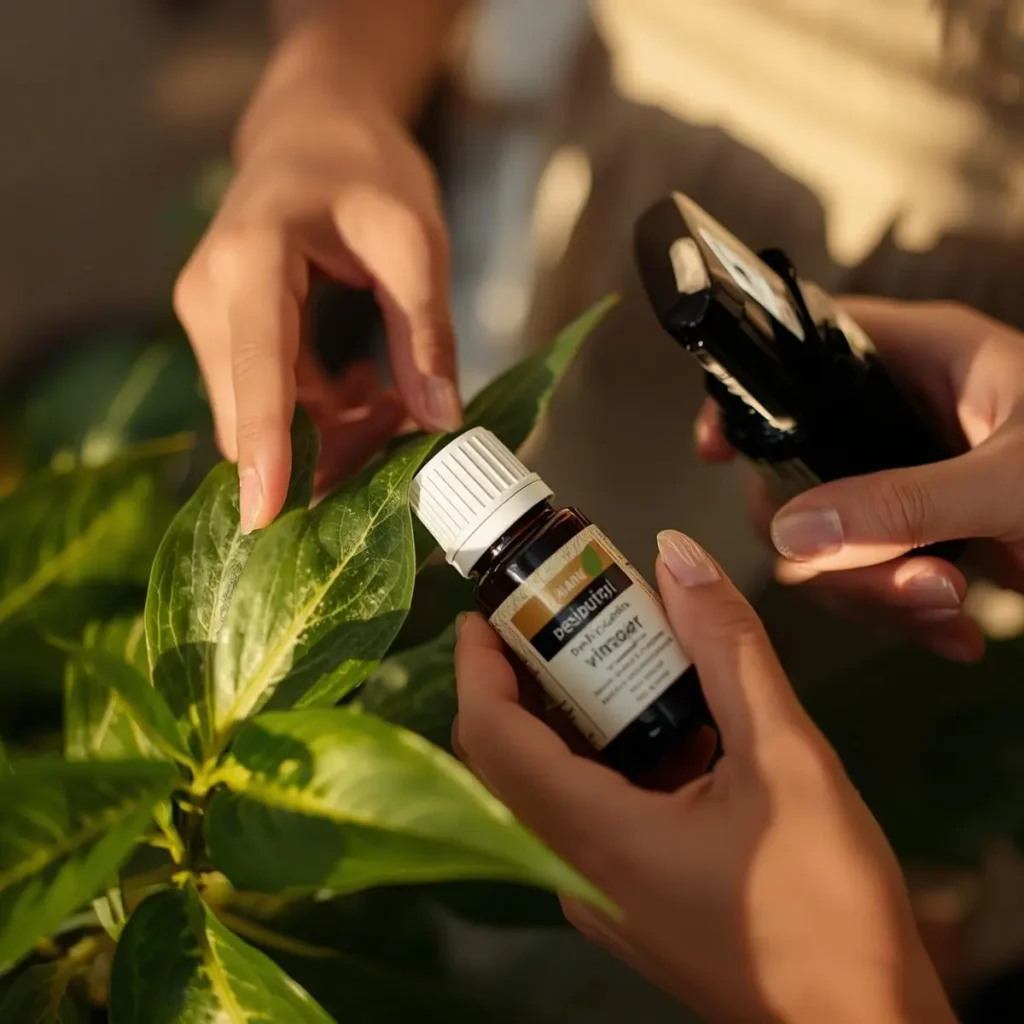
DIY pest control can be effective for small infestations and preventive measures when done correctly. By using safe, targeted methods and maintaining a pest-free environment, Washington homeowners can reduce the risk of serious infestations without relying solely on chemicals.
Homemade Sprays and Mixtures
Simple household solutions can deter many common pests. Vinegar and soapy water sprays work well against ants and spiders, while baking soda can help in specific areas to deter insects. Always apply these solutions directly to problem spots and avoid overuse to keep children and pets safe.
For ants that persist despite DIY methods, professional Ant Control Services can ensure complete colony removal and prevent re-infestation.
Natural Plants and Flowers
Certain plants naturally repel pests. Marigolds, mint, lavender, neem, and coffee grounds can be strategically planted around your garden, window sills, and doorways to deter insects and rodents. Mint or coffee grounds near entry points, for example, can help discourage ants and mice from entering your home.
If rodents are still a problem despite these measures, our Rodent Control Services can help protect your home from damage and contamination.
Natural Powders and Oils
Some natural powders and essential oils are highly effective when used correctly:
- Diatomaceous Earth (DE): Works against ants, fleas, and roaches. Use food-grade DE indoors and outdoors around problem areas.
- Borax or Boric Acid: Effective for ants and cockroaches but should be applied carefully in hidden areas away from pets.
- Peppermint Oil: Repels spiders and small rodents when applied near doors, windows, and basements.
- Cedar Oil: Great for fleas, ticks, and mites, especially in closets, pet areas, and storage spaces.
For infestations that DIY methods can’t handle, professional Spider Control and Flea Control services ensure safe and lasting results.
DIY Exclusion and Prevention
Prevention is the most effective form of pest control. Simple measures can keep pests out of your home:
- Seal Cracks & Gaps: Prevent ants, spiders, and rodents from entering.
- Weatherproof Doors & Windows: Install sweeps and repair screens.
- Fix Leaks and Moisture Issues: Moisture attracts carpenter ants, spiders, and other pests.
- Yard & Garden Maintenance: Trim shrubs, remove debris, and keep the landscape tidy to eliminate nesting spots.
For wasps or hornets that build nests near your home, professional Wasp & Hornet Removal Services are the safest option.
DIY Pest Control That Doesn’t Work
While some DIY methods can help with minor pest issues, many common “home remedies” are ineffective—or even dangerous. Understanding which approaches don’t work can save you time, money, and potential hazards.
- Bug Bombs and Foggers: These products claim to eliminate insects throughout your home, but they usually only kill visible pests. The hidden nests or colonies, like ants, cockroaches, or spiders, remain unaffected. Overuse can also pose health risks to children and pets. For lasting results, consider professional Ant Control Services or Spider Control Services.
- Bleach or Gasoline Mixtures: Harsh chemicals may seem like a quick fix, but they are toxic, dangerous to handle, and rarely solve infestations. Using these substances indoors can lead to serious health risks and property damage.
- Glue Traps or Cheap Snap Traps Alone: These may catch a few pests temporarily, but they don’t address the source. Rodents and insects will continue to reproduce if entry points aren’t sealed. For effective rodent management, professional Rodent Control Services are recommended.
- DIY Bed Bug Treatments: Bed bugs are notoriously difficult to eliminate without proper heat or chemical treatments. Homemade sprays and powders often fail to reach the eggs hidden in mattresses, furniture, or cracks, allowing infestations to persist.
- Large Wasp Nest Removal: Attempting to remove a large wasp or hornet nest yourself can be extremely dangerous. Aggressive species in Washington can attack in swarms, risking serious injury. Professional Wasp & Hornet Removal Services ensure safe and complete removal.
How to Do Pest Control Yourself – Step-by-Step
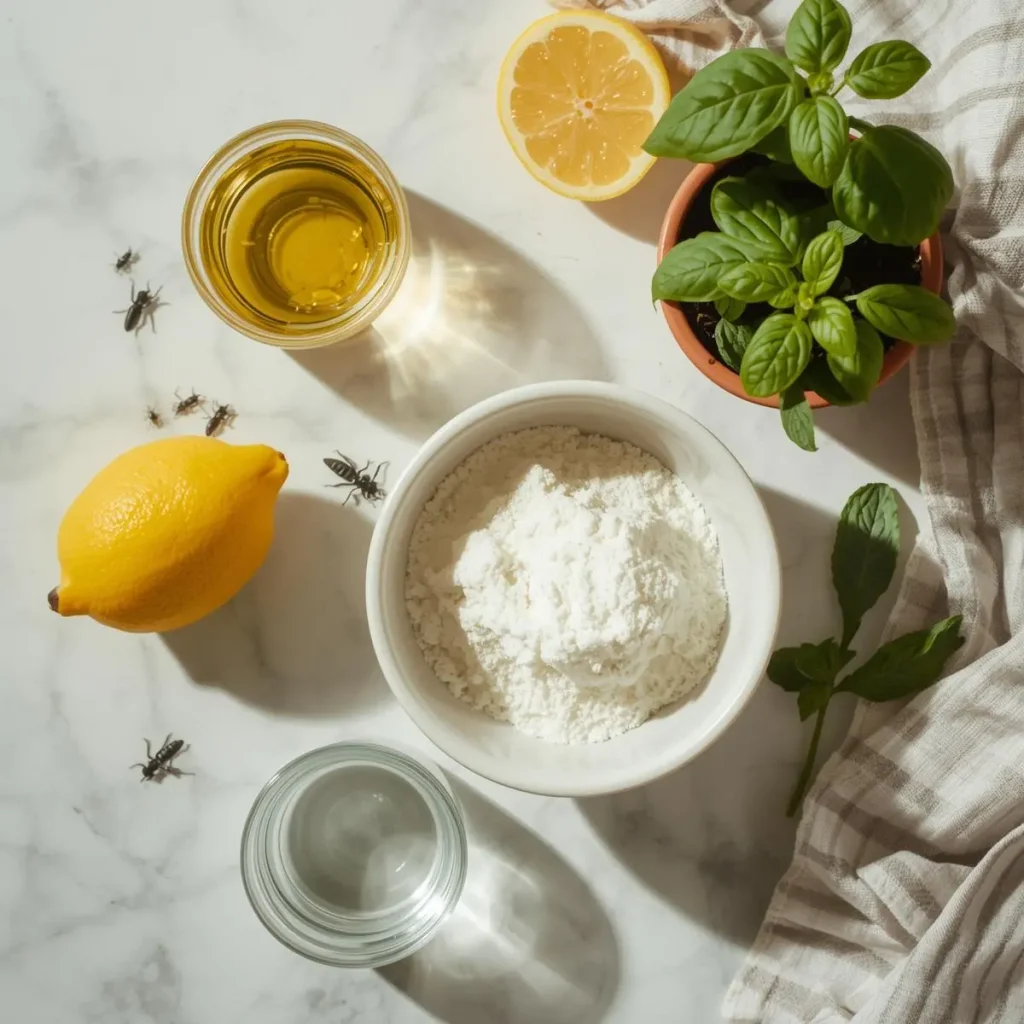
Even with DIY methods, taking a systematic approach ensures better results. Follow these steps to control pests safely and effectively.
Identify the Pest
Correct identification is crucial. Using the wrong method for the wrong pest often leads to wasted time and ineffective results.
- Example: Sugar ants can often be controlled with baits, but carpenter ants require targeted removal of the colony.
- Tip: Take note of the pest’s appearance, behavior, and location before applying any treatment.
Inspect Your Home
A thorough inspection helps pinpoint the source of the infestation:
- Check moisture-prone areas such as kitchens, bathrooms, basements, and crawl spaces.
- Look for droppings, frass, webs, or damaged wood.
- Regular inspections prevent small problems from turning into large infestations.
Apply IPM Basics
Integrated Pest Management (IPM) is a structured approach that maximizes effectiveness:
- Identify the pest accurately.
- Prevent access by sealing cracks and removing attractants.
- Target with safe, appropriate DIY treatments.
- Monitor regularly to track progress.
- Adjust methods as needed for persistent problems.
For ongoing or severe issues, our Full Pest Solutions provide professional IPM-based treatments tailored to Washington homes.
DIY Treatment Plans for Specific Pests
- Ants: Use bait, diatomaceous earth (DE), and seal entry points.
- Rodents: Snap traps, peppermint deterrents, and sealing holes are effective first steps. Professional Rodent Control Services may be needed for large infestations.
- Fleas: Vacuum carpets, wash bedding, and apply DE to affected areas.
- Spiders: Reduce clutter, clean webs, and use peppermint or cedar oil as a deterrent.
- Wasps: Only attempt small nests at night; large or aggressive nests require professional Wasp & Hornet Removal.
Washington-Specific DIY Challenges
Washington’s climate and environment create unique obstacles for DIY pest control:
- Moisture & Rain: Damp western regions encourage carpenter ants, spiders, and other moisture-loving pests.
- Seasonal Pest Cycles: Spring and summer bring more insects; fall and winter can push rodents and spiders indoors.
- Carpenter Ant Colonies: Washington hosts some of the largest carpenter ant species, making complete removal difficult for DIY methods.
- Rodent Pressure Near Wooded Areas: Homes near forests or rural zones often face persistent rodent activity.
Understanding these challenges helps homeowners decide when DIY methods are sufficient and when professional intervention is necessary.
Washington-Specific DIY Challenges
Washington homeowners face pest issues that are more stubborn than in many other states, largely due to climate and environment. These challenges often make DIY methods less effective and sometimes short-lived.
Moisture & Rain
Washington’s frequent rain creates damp environments where pests thrive—especially carpenter ants, moisture ants, spiders, and wood-destroying insects. Wet soil and soggy wood structures attract pests deep into wall voids where DIY sprays can’t reach.
If moisture ants or carpenter ants are active inside the home, it’s often a sign of hidden moisture damage. Professional Ant Control Services may be needed to address deeper colonies.
Seasonal Pest Cycles
Each season brings a new wave of pest activity:
- Spring: ants, spiders, and wasps begin emerging
- Summer: stinging insects peak and ant trails multiply
- Fall: rodents move indoors for warmth
- Winter: moisture issues attract pests into wall voids, crawlspaces, and basements
Because these cycles overlap, homeowners often feel like they’re dealing with pests year-round, making DIY control difficult to maintain without a plan.
Carpenter Ant Colonies
Washington is known for its large, aggressive carpenter ant species, and these colonies can run deep inside walls or tree stumps. DIY sprays or baits rarely reach the main nest—meaning the colony simply relocates and returns.
For structural-risk pests like these, professional treatment fromWashington Pest Pros is often the safest, most effective option.
Rodent Pressure Near Wooded Areas
Areas near forests, greenbelts, rivers, and fields experience heavy rodent activity. Rats and mice easily enter homes through tiny gaps—chewing through insulation, wiring, and stored food.
DIY traps may help with a few rodents, but ongoing activity usually requires a full exclusion plan. Our Rodent Control Services include sealing entry points, sanitation, and long-term prevention designed for Washington homes.
When to Call a Pro
DIY pest control can help with small, early-stage issues—but some situations require professional equipment, experience, and treatments to fully eliminate the problem. Here’s when Washington homeowners should skip DIY and call an expert.
Carpenter Ants, Bed Bugs & Termites
These pests are among the hardest to eliminate with home remedies.
- Carpenter ants can nest deep inside walls and cause structural damage.
- Bed bugs hide in tiny cracks and resist most DIY treatments.
- Termites require professional-grade detection tools and long-term barriers.
If you suspect any of these pests, it’s best to contact professionals immediately.
✔ Ant Control Services
✔ Termite Treatment Services
Large Rodent Infestations
If you’re hearing scratching in walls, finding droppings daily, or catching multiple rodents per week, DIY traps won’t be enough. Heavy rodent pressure is common in Washington, especially near wooded areas.
Professionals can seal entry points, set up strategic trapping systems, and create long-term prevention plans.
✔ Rodent Control Services
Repeated Wasp or Hornet Nests
If nests keep appearing near your home—even after DIY sprays—it’s a sign the colony is either large or located in a hard-to-reach area (attics, soffits, rooflines). Trying to remove a large nest yourself can be dangerous.
Safe, complete removal is best left to trained technicians.
✔ Wasp & Hornet Removal Services
Persistent Infestations After DIY Attempts
If you’ve tried baits, traps, essential oils, sprays, and sealing—but the pests return—this usually means:
- The main nest or colony was not treated
- Entry points remain unsealed
- Moisture or structural issues are attracting pests
- The infestation is larger than it appears on the surface
At this stage, professional diagnosis is the fastest and most cost-effective solution.
DIY vs Professional Pest Control Costs in Washington
Many homeowners choose DIY pest control because it seems cheaper upfront—but the long-term costs can tell a different story. Here’s a simple breakdown of what you can expect when comparing DIY vs hiring a licensed pest control pro in Washington.
DIY Pest Control Costs: $10–$50 Per Product
DIY options like sprays, baits, powders, essential oils, and traps typically cost between $10 and $50 each. While this may handle small, early-stage pest issues, most homeowners end up spending more over time because:
- Cheap products wear off quickly
- DIY solutions rarely reach the main nest or source
- Pests return due to unsealed entry points or moisture issues
- Multiple products are often needed to see results
This makes DIY cost-effective only for very minor pest problems.
Professional Pest Control Costs: $99–$500+ in Washington
Hiring a licensed exterminator usually costs $99 to $500+, depending on the pest type, infestation size, and location. Larger or destructive pests—like rodents, termites, and carpenter ants—may require more specialized treatments.
What you’re paying for:
- Expert inspection and pest identification
- Commercial-grade products and equipment
- Safe treatments for kids and pets
- Long-term prevention (sealing, moisture correction, monitoring)
- Guaranteed results
Because pros target the root cause, most homeowners save money by avoiding repeated DIY purchases and recurring infestations.
Why Professional Services Save Money Long-Term
Professional treatments:
- Break full pest cycles
- Target nests, colonies, and hidden hotspots
- Prevent future infestations
- Protect the home from structural damage
- Reduce health risks from rodents and stinging insects
This is especially important in Washington, where moisture, wooded areas, and seasonal cycles make pests more persistent year-round.
Request a Free Quote
If you’re dealing with persistent pests or want long-term protection for your home, you can request a professional inspection any time.
👉 Request a Free Quote from Washington Pest Pros
How to Choose the Right Pest Control Company
Choosing the right pest control provider can make the difference between a quick fix and a long-term solution. Here’s what Washington homeowners should look for before hiring a professional.
Licensing & Certifications
Always make sure the company is licensed to operate in Washington State and that technicians are certified to handle pest control chemicals safely. Licensed professionals follow strict safety guidelines and use approved methods that protect your home, family, and environment.
Eco-Friendly & Family-Safe Products
Washington homeowners increasingly prefer green, low-toxicity options. A trustworthy company should offer:
- Eco-friendly treatments
- Pet-safe and child-safe solutions
- Low-odor and low-residue products
These options ensure pests are eliminated without putting your family at risk.
Local Washington Experience
Pest problems in Washington are unique because of the state’s moisture, climate, and wooded areas. Choose a company that understands:
- Seasonal pest patterns
- Local carpenter ant and rodent behavior
- Moisture-related pest issues
- The difference between eastern vs western Washington pest challenges
A team with local expertise can diagnose and treat issues faster and more accurately.
For more about our team and experience, visitAbout Us – Washington Pest Pros.
Reviews & Testimonials
A good pest control company should have strong reviews across Google, Yelp, and local platforms. Look for feedback about:
- Professionalism
- Response time
- Long-term results
- Customer communication
- Follow-up support
Consistent, positive reviews are a strong sign you’re choosing a reliable provider.
Frequently Asked Questions:
What works best for DIY pest control?
Simple DIY methods like baiting ants, using diatomaceous earth (DE), peppermint oil, cleaning regularly, and sealing entry points work well for minor problems. However, DIY methods usually treat only what you see, not the full infestation.
Are homemade remedies safe?
Most basic homemade solutions—like soap sprays, vinegar mixtures, and essential oils—are safe when used correctly. But harsh chemicals such as bleach, gasoline, or strong acid-based mixes are unsafe and should never be used for pest control.
Can I remove carpenter ants myself?
You can try basic DIY options like baits and DE, but carpenter ants often nest deep inside walls or wood structures. If you notice frass (sawdust), large winged ants, or activity around damaged wood, call professionals. Carpenter ants almost always require expert treatment, such as our Ant Control Services.
Should I remove a wasp nest myself?
Removing small nests may be possible with nighttime sprays—but large or hidden nests can be dangerous. Wasps in Washington can become aggressive and attack in groups, so most nest removals should be handled by pros. For safety, use Wasp & Hornet Removal Services.
How do I know when to call a pro?
Call a professional if:
- DIY methods stop working
- You see pests repeatedly
- You hear rodents in walls
- The infestation involves termites, carpenter ants, rodents, or bed bugs
- You find large wasp or hornet nests
Professionals provide long-term, targeted solutions that DIY products can’t.
Conclusion & Call to Action
DIY pest control can be a great first step for small, early-stage infestations—especially when using safe methods like sealing entry points, applying DE, or using homemade sprays. But when the problem becomes large, persistent, or potentially dangerous, professional help is always the safest and most effective choice.
For long-term protection and fast, reliable results, trust the experts who understand Washington’s unique pest challenges.